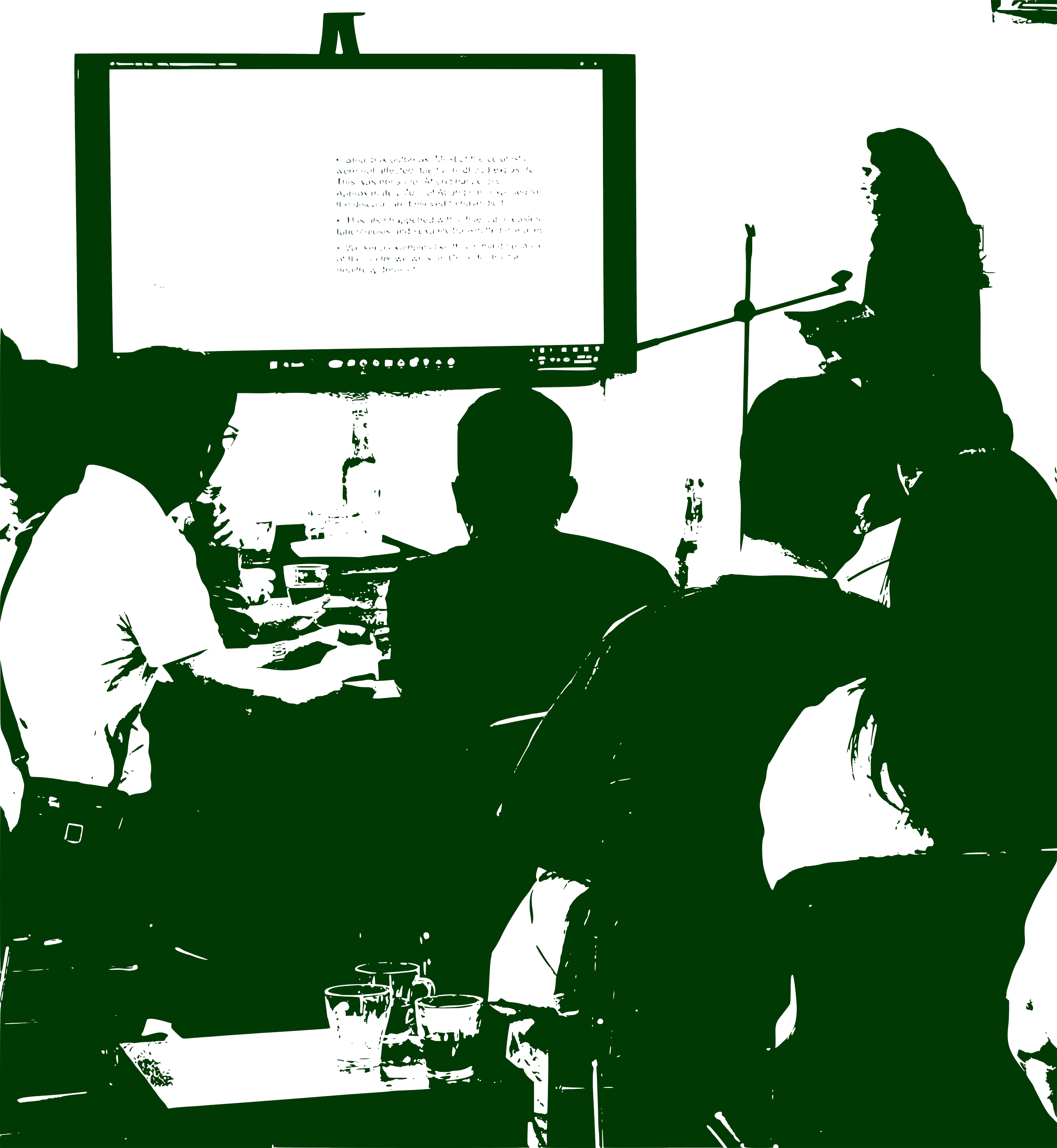
We offer short, practical training sessions for professionals working with multicultural people with disability, drawing on our expertise in cultural safety, intersectionality, and ethics.
Our courses are designed to build confidence, improve practice, and strengthen understanding of the unique barriers faced by people from diverse cultural and language backgrounds with a disability. Below are examples of the tailored sessions we have delivered to support more inclusive, culturally safe, and ethical service delivery.
Typical Session (2 Hours)
• Online or face-to-face
• Tailored to your needs
• Target audience: professionals working with people in the community
Cultural safety training focuses on power dynamics in relationships, rather than trying to fully understand the complex diversity of experiences. It asks professionals to reflect on bias, assumptions and the impact of their actions. The goal is to continually build practice where people feel safe and in control of their experience.
This training explores the unique challenges young people face at the intersection of disability and cultural diversity. Using cultural safety, intersectionality and strengths-based practice, the session guides participants to recognise power, bias and barriers that shape engagement. Through case examples and group discussion, professionals will develop practical, evidence-informed strategies to create inclusive environments where young people feel safe, respected and involved in decisions that affect them.
Intersectionality helps explain how different forms of discrimination can overlap in the lives of multicultural women with disability. This course introduces intersectionality in plain, practical terms, showing how culture, language, gender, disability, racism, migration experiences, and social disadvantage can combine to create unique barriers and experiences. Participants learn how these overlapping factors shape access, rights, and support, and why understanding intersectionality is essential for building inclusive, culturally safe services and communities.
Cultural safety has its origins in cultural empowerment, developed by Māori nurses in Aotearoa New Zealand and later embraced by Aboriginal and Torres Strait Islander peoples in Australia. While now applied across multicultural contexts, we acknowledge its foundations lie in Indigenous resistance to unsafe systems and the pioneering initiative and leadership establishing the principle that safety is defined by those receiving services.