
What do you need help with?
See if you can find your problem listed here to help you get started. We have helpful information for you. If it is something else or you are not sure where to start, get in touch and we will help you.
We will get back to you within 7 days.
Free service funded by government. Learn more about how we are funded.
I am not feeling okay right now
If you are feeling overwhelmed, unsafe, or struggling to cope, there is free and confidential support available right now.
MDAA is not an emergency service, but these services can support you immediately.
• 13YARN is a culturally safe crisis line for Aboriginal and Torres Strait Islander people
• 1800RESPECT supports people experiencing domestic, family, or sexual violence
• Link2Home is a NSW homelessness support line
• These services are available 24 hours a day
• If you are in immediate danger, call 000
I need help with the NDIS
If you are having problems with the NDIS, there are steps you can take. You are not alone in this process.
This may apply to you if:
- Your NDIS application was rejected
- You are not happy with your plan or funding
- Your supports were reduced or removed
- You do not understand a decision
- You are having problems with services or providers
What you can do next
If you do not agree with an NDIS decision, you can:
- Ask the NDIA for an internal review
- Provide new or clearer evidence
- If needed, apply for an external review through the Administrative Review Tribunal
How the NDIS works
The NDIS (National Disability Insurance Scheme) provides funding for supports and services for people with disability.
The NDIA is the government agency that makes decisions about access, plans, and supports.
Key parts of the NDIS
Access: You must meet eligibility requirements based on age, residency, and disability.
Plans: If approved, you receive funding for supports based on your goals and needs.
Using your plan: You can use funding depending on how your plan is managed.
How MDAA can help
We can help you understand decisions, prepare information, and support you through reviews or appeals.
A service is not treating me properly
If something is not right, you have the right to complain. If the service is a disability service, you also have rights about how you should be treated, included, informed, and supported.
This may apply to you if:
- You are not being listened to
- The service is unsafe or not appropriate
- Something agreed has not been provided
- You are experiencing delays or poor communication
- You feel you have been treated unfairly or disrespected
- You want to know what standards a disability service should meet
What to do first
- Work out which service or organisation is responsible
- Contact them and explain the issue
- Say what happened, how it affected you, and what outcome you want
- Do this in writing if you can and keep a copy
- Keep records of what happened, when it happened, and who was involved
Your rights when using a disability service
When a disability service is covered by the National Standards for Disability Services, you should be able to expect respectful treatment, inclusion in decisions, clear information, fair access, and a safe way to raise concerns.
- The right to be treated with dignity and respect
- The right to be involved in decisions that affect you
- The right to have your goals, views, and preferences taken seriously
- The right to clear information you can understand
- The right to raise feedback or complaints without being treated badly for it
- The right to fair access and a service that is properly managed
When these standards apply
These standards are relevant to disability services that are covered by the National Standards for Disability Services framework. This is especially important for Australian Government funded disability services and other services operating under that compliance framework.
Not every service will use the same complaint pathway, so the next step depends on what kind of service it is.
Complaint pathways
If the issue is not resolved, you may need to complain to an external body. This depends on the type of service.
NDIS providers or workers: NDIS Quality and Safeguards Commission
Disability advocacy services like MDAA: CRRS
Health services: Health Care Complaints Commission
Disability discrimination: Australian Human Rights Commission
Government services: NSW Ombudsman
CRRS and complaints about advocacy services
The Complaints Resolution and Referral Service, called CRRS, is a free service. It can take complaints about Australian Government funded disability advocacy services and some other Commonwealth-funded disability services.
This is important if your complaint is about an advocacy service and you do not feel comfortable raising it only with the organisation itself.
If your complaint is about MDAA
You can use MDAA’s own complaint process first. You can also choose an external complaint pathway if that is more appropriate.
What to keep
Keep emails, letters, agreements, screenshots, names, dates, and notes of what happened. A short timeline can help support your complaint.
I need help with housing
If housing problems are affecting your safety, health, or disability, there are steps you can take. You are not alone in this.
This may apply to you if:
- Your housing is unsafe or not suitable for your disability
- Repairs are not being done
- You are at risk of homelessness
- Your housing application is delayed or unclear
- You are not being understood or communicated with properly
What you can do next
- Raise the issue with your housing provider, landlord, or agent
- Keep records of all communication and evidence
- Update your housing application if your situation has changed
- If needed, ask for priority housing if your situation is urgent
- If the issue is not resolved, you may be able to apply to NCAT
Priority housing and urgent situations
In NSW, you can ask for priority housing through Housing Pathways if your situation is urgent.
This may apply if your housing is unsafe, unsuitable, or affecting your health or disability. You will need evidence to support this.
Updating your application
You can update your application at any time if your situation changes. This includes your health, disability, safety, or living conditions.
Private rental and repairs
Contact your landlord or agent first. Do this in writing and keep a copy.
Urgent repairs must be fixed quickly. If they are not, there are legal options available.
If the issue is not resolved
NCAT is an independent tribunal that can make decisions about housing and tenancy disputes.
It can deal with repairs, rent, ending a tenancy, and some social housing matters.
How MDAA can help
We can help you understand your options, organise information, and support you through housing issues or disputes.
I need help with Centrelink
If you are having problems with Centrelink payments or decisions, there are steps you can take. This can include applying, understanding criteria, or challenging a decision.
This may apply to you if:
- You are applying for Disability Support Pension
- You do not understand a decision
- Your payment was rejected or changed
- You are being asked for more evidence
- You need help understanding the rules
What you can do next
- Read your decision carefully
- Ask Centrelink to explain it if needed
- Gather or update your evidence
- Ask for a formal review if you disagree
Disability Support Pension (DSP)
DSP is assessed using both non-medical and medical rules. Medical evidence is critical.
Centrelink looks at how your condition affects your ability to work, including whether it is diagnosed, treated, and stabilised.
Evidence matters
Centrelink decisions are based heavily on evidence. This includes medical reports, letters, and supporting documents.
Keep all documents, including decision letters, forms, and records of communication.
Other payments
Mobility Allowance helps with travel costs for work or study if you cannot use public transport without help. You cannot receive this if you have an NDIS plan.
Reviews and complaints
You can ask Centrelink to explain a decision or request a formal review. You do not need to ask for an explanation first.
There is also a complaints process for issues about service.
How MDAA can help
We can help you understand decisions, prepare evidence, and support you through reviews.
I am being treated unfairly or discriminated against
If you have been treated unfairly because of disability, language, culture, or the support you need, there are steps you can take.
This may apply to you if:
- You were refused a service
- You did not get reasonable adjustments
- You were excluded or treated differently
- You were spoken to unfairly
- Your disability or background affected how you were treated
Start here
Write a short timeline with dates, what happened, who was involved, and what outcome you want.
Keep copies of anything that supports your complaint.
Where you can complain
Anti-Discrimination NSW says complaints must be made in writing.
The Australian Human Rights Commission also has a complaints process for disability discrimination and explains what happens during conciliation.
Helpful records
Keep letters, emails, screenshots, names, dates, witness details, and notes about what was said or done.
How MDAA can help
We can help you understand your options, organise your information, and take the next step.
I am in hospital and need help when I leave
If you are worried about leaving hospital safely, there are things you can ask for before you go home.
This may apply to you if:
- You do not have a safe place to go
- Your supports are not ready
- Equipment has not been arranged
- Services are not communicating properly
- You do not understand the discharge plan
What to ask for before leaving hospital
- A written discharge plan
- A list of medicines
- Follow-up appointments
- Clear information about support at home
- Contact details for the people involved in your discharge
Discharge planning
NSW Health says discharge planning starts as soon as you are admitted and that you can be involved in planning.
You can also ask family, a carer, friends, or kin to be involved.
Useful information to keep
Keep discharge plans, hospital letters, contact names, reports, and any information about supports that are missing or delayed.
How MDAA can help
We can help you understand your options and raise concerns about discharge, supports, housing, or safety after leaving hospital.
I need help with guardianship or NCAT
If an application has been made to NCAT about decision-making, it is important to understand what is being asked and what you can do next.
This may apply to you if:
- An application has been made about you or your child
- You received a hearing notice from NCAT
- Someone says decisions cannot be made without support
- There are concerns about accommodation, services, or healthcare decisions
- You do not agree with what is being asked
What to do now
- Read the application and hearing notice carefully
- Check what orders are being requested
- Write down what you agree and disagree with
- Gather reports and information about the person’s situation and wishes
- Get support as early as possible
What the application is asking for
A guardianship application asks NCAT to decide whether someone should be appointed to make personal or lifestyle decisions.
A financial management application asks whether someone should manage financial affairs.
NCAT considers the evidence and decides if an order is needed. An application does not automatically mean an order will be made.
Information and evidence
NCAT considers information from different sources. This can include reports, letters, and what people say at the hearing.
You can provide documents before the hearing or bring them with you. The Tribunal will ask questions and consider all information before making a decision.
Who can apply
NCAT says a person with a genuine concern for welfare can apply. This may include family, services, or hospitals.
The hearing
NCAT prefers the person the application is about to attend where possible.
Hearings are usually heard by a panel with legal, professional, and community members.
What to keep
Keep the application, hearing notice, reports, and any documents about decision-making, supports, and the person’s wishes.
How MDAA can help
We can help you understand the process, prepare for the hearing, and make sure your views are heard.
I need help at school
If a student with disability is not getting the right support at school, there are steps you can take.
This may apply to you if:
- The student is not getting enough support
- Adjustments are not being provided
- The student is excluded or treated differently
- There are safety concerns
- Communication with the school is not working
What you can do
- Talk to the teacher or principal
- Explain what is not working and what support is needed
- Ask for a meeting if needed
- Keep records of what is discussed and agreed
- If the issue is not resolved, follow the school complaint process
Student rights
The Disability Standards for Education say students with disability have the right to access education on the same basis as other students.
Schools must consider reasonable adjustments so students can participate safely and effectively.
If the issue is not resolved
NSW public schools have a formal complaints process. You can use this if concerns are not resolved at the school level.
Helpful records
Keep emails, meeting notes, support plans, incident reports, and medical or allied health reports if relevant.
How MDAA can help
We can help you understand your rights, prepare for meetings, and take the next step if issues are not resolved.
Use this site in your language
You can translate this website into your preferred language using the built-in translation feature. This can help you understand information before contacting MDAA.
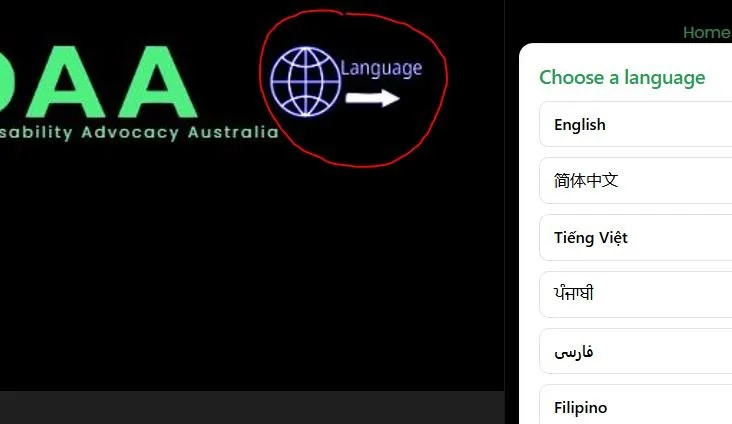
Look for the language option on this page. You can select your language and the website will translate automatically.
If you still need help, MDAA can arrange interpreter support.
Accessibility options
This website includes accessibility features to make it easier to read and use. You can adjust the display to suit your needs.
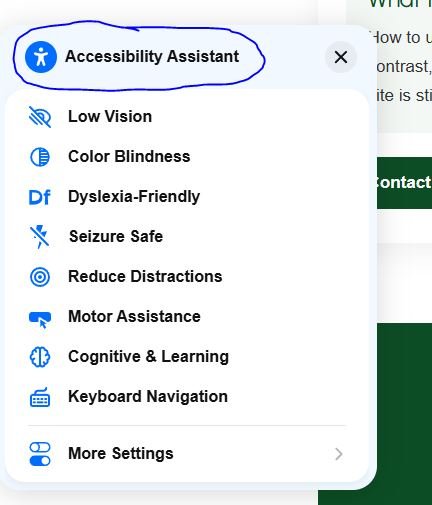
Look for the accessibility tool on this page. You can change text size, contrast, and other settings to improve readability.
These tools can help you use the site more comfortably before reaching out for support.
Still not sure where to start?
Contact MDAA and tell us what is happening. If your issue is not listed above, you can still get in touch.