

Voices.
Choices.
Futures.
19 May 2026
A national forum bringing stakeholders together to explore current approaches in disability, with a focus on supported decision-making and inclusion in education.
Program Schedule
19 May 2026
Select speaker names, welcome messages, and additional information to open the details.
| 9:00am |
MC welcome and housekeeping |
|---|---|
| 9:05am |
Welcome speech and Opening Address- MDAA Chairperson - MDAA Executive Director - Ageing and Disability Commission, Special Address - Greens Senator for Western Australia, Special Address (video) |
| 9:30am |
Panel Discussion: National Dialogue on Supported Decision-Making and Disability Rights- Ageing and Disability Commission - Assistant Director, NDIA External Reviews Branch - Direct Services Counsellor/Project Officer- STARTTS - Senior Systemic Advocate & Policy Officer / NDIS Appeals Advocate- MDAA |
| 10:15am | Morning Tea |
| 10:30am |
Workshop 1: Implementing Supported Decision-Making: Evidence, Models and Lessons from Across Australia- PhD Candidate - University of Sydney Abstract Title: Influences on seeking gender-based violence supports among people with disabilities from multicultural backgrounds. - STARTTS Abstract Title: Restricted choices: disability housing and domestic violence in refugee settlement. - MDAA Abstract Title: Know your choices, decide your ways: a multicultural advocate’s reflections on supported decision making. - Inclusion project officer, & - Council for Intellectual Disability Abstract Title: My Health Matters in my language. - PWDA Abstract Title: ‘What could you do better next time?’: The importance of applying an ‘evolving capacity’ framework to supported decision-making practice for children and young people with disability to support development of autonomy and identity. - VALID, - CID, , & - CID Abstract Title: Supported decision-making (SDM) in culturally and linguistically diverse (CALD) communities. Abstract Title: My journey towards autonomy. |
| 12:20pm | Lunch |
| 1pm |
Workshop 2: Bridging Research and Practice: Disability Inclusion in Australian Education& - SLHD Abstract Title: School Clinic Model of Health Care: Working Together Has a Lot Going for It. & - UNSW School of Education Abstract Title: Educational experiences and outcomes of students from culturally and linguistically diverse backgrounds with intellectual disability and/ or autistic students. , & - Down Syndrome NSW Abstract Title: From voice to practice: supporting inclusion for culturally diverse families. & - School of Social Work and Arts- Charles Sturt University Abstract Title: Field education coordination as a critical component of anti-oppressive practice, social justice and equity in social work and human service education. - Excelsia University College, , Lecturer - UTAMU, Uganda, & - Western Sydney University Abstract Title: Educational challenges for children with disabilities in humanitarian context in Sub-Saharan Africa: The case of Rwamwanja and Nakivale refugee settlements in Uganda. |
| 2:30pm |
Panel Discussion: Inclusive Education in Australia: Rights, Reform and Reality- Principal, Granville Boys High School - Disability Advocate - Education and Organisational Development Leader |
| 3:15pm | Afternoon Tea |
| 3:30pm – 3:50pm |
Dr Erin Turbitt - Senior Lecturer and Social Scientist - University of Technology Sydney UTS Next Gen Research presentation Presentation Title: UTS NurtureNextGen Research project presentation |
| 3:50pm | Reflection Activity, Evaluation and Wrap Up |
| 4:10pm |
Official Closing RemarksYvonne Munce - MDAA Executive Director |
We acknowledge the Traditional Custodians of the various lands on which we meet today, including the Burramattagal people of the Dharug Nation, on whose land our organisation is based.
We recognise their enduring connection to land, waters, and culture and pay our respects to Elders past, present, and emerging.
We celebrate the richness and diversity of Aboriginal peoples and their ongoing contributions to the communities we live and work in.
As an organisation that embraces multiculturalism, we recognise the strength that comes from diverse cultures coming together with respect, understanding, and shared purpose.
We express our gratitude for the opportunity to share these lands and feel great sorrow for the injustices of the past.
We commit to walking together toward a future of equity, justice, and true partnership.
Always was, Always will be Aboriginal Land.
Thank you.
Every person has the right to make decisions about their own lives and supports should be provided to those who have difficulty doing so to enable them to exercise this right.
Supported decision making should be about strengthening this through frameworks, legislation, and instruments such as the Ageing and Disability Commission.
People with disability from multicultural backgrounds face unique and intersecting obstacles affecting their autonomy. These obstacles range from language barriers, migration experience, unfamiliarity with legal systems, discrimination, to wavering trust in institutions. Without accessible and culturally safe communication and supports, individuals will struggle to understand their options, legalities, or express their wishes.
This conference brings together academics, industry professionals, and those with lived experiences to dissect the inner workings of implementing supported decision making and the varying challenges faced by people with disability and those from multicultural backgrounds. Through this segment, we engage with ideas of supported decision making versus substitute decision making and the frameworks needed to ensure autonomy and legal capacity of a person with disability.
We provide a platform for individuals to share their research and stories on the effects of intersecting identities and adversity on decision making.
Through this workshop, we aim to understand and unpack best practices of implementing supported decision-making frameworks, and how already existing models can be improved.
Children with disability and their families face a multitude of barriers within our education system, from the lack of supports in schools to poor academic outcomes and social development. We believe that all children should have access to an excellent quality of education which supports their development and allows them to challenge themselves and feed their curiosity.
We discuss and analyse both Australian and International education support systems and the ways in which they can support development and inclusive education for children with disabilities. The presentations stress the importance of holistic care and collaboration of professionals, advocates, and families to ensure the success and wellbeing of children with disability.
In this segment, we aim to explore how children and young people with disability can thrive in inclusive education, from early childhood to post-school pathways. We bring together expert speakers to explore and analyse the barriers faced by children with disability to positive educational and wellbeing outcomes. The common theme through these collaborative studies shows a need for broader systemic change involving collaboration, holistic care, accessible multilingual communication and culturally appropriate and safe supports.
Inclusivity for some is inclusivity for all. By committing to building inclusive and accessible systems, we increase participation, opportunities, and positive outcomes for all. Through this conference we aim to highlight the importance of inclusion and ways we can collectively strengthen disability rights for people from diverse backgrounds.
EMERGENCY SERVICES
Police, Fire, Ambulance (Emergency): 000
For immediate help in an emergency situation, whether it's medical, fire, or police.
MENTAL HEALTH SUPPORT
Beyond Blue - 1300 22 4636 - Open 24/7
Beyond Blue provides information and support to help everyone in Australia achieve their best possible mental health, whatever their age and wherever they live.
Lifeline - 131 114 - Open 24/7
Lifeline provides 24-hour crisis support telephone service and suicide prevention services. Call if you have suicidal thoughts or attempts, personal crisis, anxiety, depression, loneliness, abuse and trauma, stress or to get information for friends and family.
Blue Knot Foundation – 1300 657 380
Available over the phone Monday – Sunday 9am to 5pm
Blue Knot provides information and support for anyone who is affected by complex trauma. Complex trauma is repeated, ongoing, and often extreme interpersonal trauma (between people) – violence, abuse, neglect or exploitation experienced as a child, young person and adult.
Suicide Call Back Service: 1300 659 467
A 24/7 national service offering support to people at risk of suicide, their friends, and family.
Relationships Australia NSW – 1300 364 277
Face-to-face appointments available, call to make a booking
This service offers free support without judgement or discrimination in a safe and supportive environment. Everyone’s experience of trauma is different as are their needs, our counsellors are client-focused and here to listen and support you.
DOMESTIC VIOLENCE SUPPORT
1800 RESPECT (1800 737 732)
National sexual assault and domestic and family violence counselling service, available 24/7 for those affected by domestic violence.
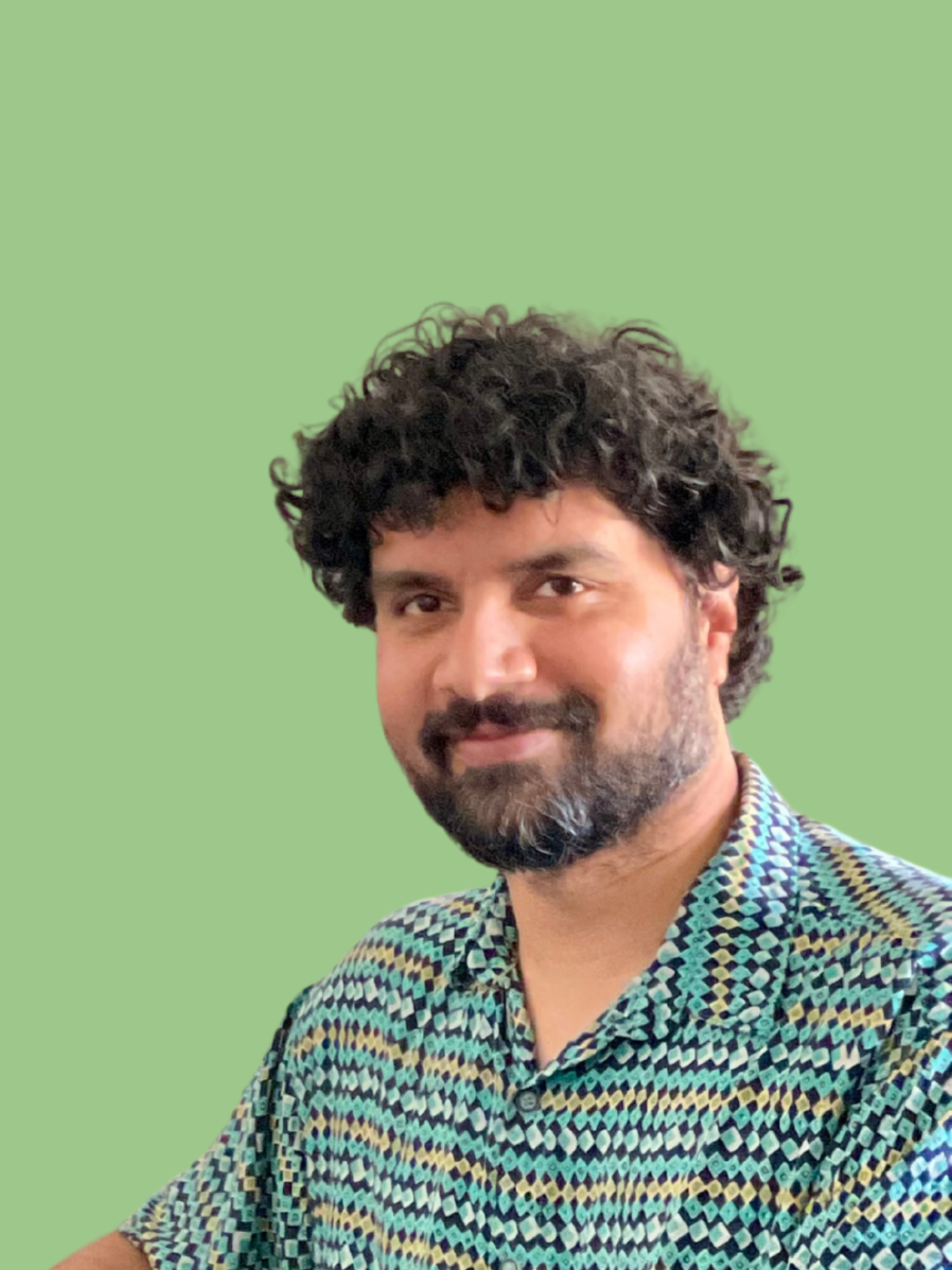
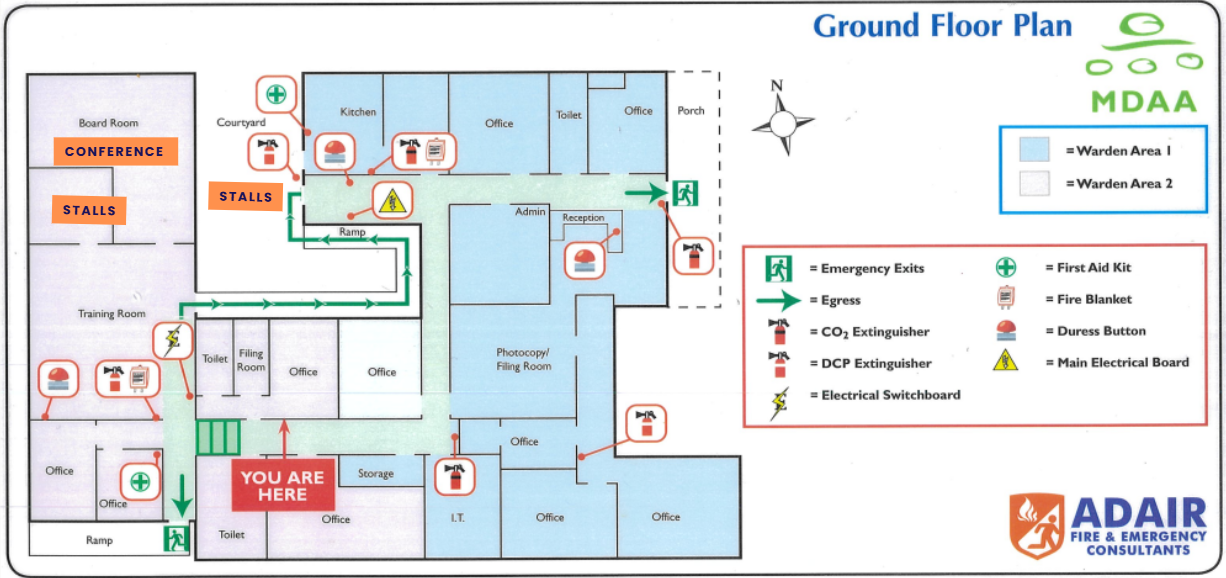
First Aid Safety Officer
Arjun Miglani
MDAA Advocate
This conference is supported by the Australian Government Department of Social Services
MC Melanie Suzanne Wilson
Melanie is a seasoned public speaker with over a decade of experience. She is a passionate advocate for diversity, inclusion, and accessible wellness. As founder of The Motivate Collective, she brings energy, insight, and a deep understanding of community and not-for-profit leadership to guide our conversations throughout the day
Commissioner Jeff Smith
Distinguished Speakers
Jeff Smith is the NSW Ageing and Disability Commissioner, bringing decades of experience across disability advocacy, community law, and social justice.
A qualified solicitor, Jeff has held a number of influential leadership roles, including as CEO of Disability Advocacy Network Australia and People with Disability Australia, where he has been a strong voice for the rights, safety, and inclusion of people with disability.
Jeff also brings a unique perspective as a person with disability, alongside a lifelong commitment to advancing equity and strengthening communities.
He has been a consistent and valued supporter of MDAA, and we greatly appreciate his ongoing commitment to working alongside the sector to improve outcomes for people with disability.
Senator Jordan Steele-John
Distinguished Speakers
Since being elected to Parliament in 2017, Senator Steele-John has been a passionate and fearless advocate for people whose voices are too often excluded from decision-making.
He has worked tirelessly to advance the rights of people with disability, including contributing to the establishment of the Royal Commission into Violence, Abuse, Neglect and Exploitation of People with Disability. He has also championed important reforms such as expanding access to dental care through Medicare and improving support for people with ADHD.
Senator Steele-John continues to be a strong voice for inclusion, equity, and meaningful change, and we are pleased he could join us today.
Zaya Toma
Panellist
Zaya Toma is an EL1 Assistant Director within the National Disability Insurance Agency’s External Reviews Branch, with extensive experience in government administration, disability advocacy and public policy.
Prior to joining the NDIA, Zaya worked as a disability advocate with MDAA, representing participants through complex review and appeals processes. This experience gives him a unique understanding of both participant and government perspectives, and has shaped his commitment to fair, practical and person-centred outcomes within the complex system that is the NDIS.
Zaya is also a former Fairfield City Councillor and political adviser to New South Wales Members of Parliament. He has remained actively involved in multicultural and community initiatives, with a strong interest in advocacy, public service and improving outcomes for culturally diverse communities.
Zaya holds a Bachelor of Science in Information Technology from the University of Technology Sydney, a Master of Business Administration from the Macquarie Graduate School of Management, and has completed the prestigious Company Directors Course with the Australian Institute of Company Directors.
Melek Ucak
Panellist
Melek Ucak is a social worker and counsellor at the STARTTS in Sydney, Australia. She holds a Bachelor of Social Work from Western Sydney University and is a member of the Australian Association of Social Workers.
Her work focuses on trauma recovery, grief and loss, and psychosocial support for refugee and migrant communities from the Middle East, Central Asia, and Southeast Asia. She has facilitated community-based therapeutic groups addressing war trauma, displacement, and resettlement challenges, including programs with Khmer, Uyghur, Arabic-speaking, and other culturally diverse communities.
Melek is particularly interested in the intersection of trauma, domestic violence, disability, and social determinants such as housing and settlement stress. Her practice integrates trauma informed care, culturally safe approaches, and narrative-based interventions to support individuals and families affected by complex trauma and forced migration
Alicia Rodriguez
Panellist
Alicia Rodriguez holds a Master's degree in Development Studies and Culture Change from Macquarie University. With extensive experience in advocacy, human rights, and research, she currently works as the Systemic Advocate & Policy Officer at the Multicultural Disability Advocacy Association of NSW (MDAA). In this role, Alicia collaborates with and advocates for individuals from diverse backgrounds, working towards positive systemic changes in Australia. Alongside her role at MDAA, Alicia is a Sessional Academic in the School of Social Sciences at Western Sydney University where her focus is on social psychology and social philosophy. She sees the value in maintaining awareness of both theory and practice she gets from both these roles, and is passionate about integrating practical examples from her work in the community sector within academia.
Graham Blaxell
Panellist
Graham Blaxell is an experienced education and organisational development leader with a career spanning school leadership, not‑for‑profit organisations and corporate learning environments. A former teacher and principal, he specialises in building leadership capability and strengthening governance across complex settings. He is a Fellow of the Australian Institute of Training and Development, a corporate facilitator, keynote speaker and author focused on governance, Indigenous and multicultural education, and leadership. In "retirement", Graham is Vice Chair of Coastwide Children and Family Services, mentors pre‑service teachers through La Trobe University and is completing postgraduate studies in Indigenous Education at Macquarie University.
Tiffany Papadakis
Panellist
Tiffany Papadakis is a passionate disability advocate dedicated to improving outcomes for children and young people with disability, particularly within the education system and autism community. She is strongly committed to raising awareness of the challenges faced by families navigating disability supports, inclusive education and school accessibility, and has been an active voice in advocating for greater understanding, inclusion and systemic reform. Tiffany has also contributed to important policy discussions by appearing as a witness in parliamentary inquiries, where she has shared insights and lived experiences to help inform change across the disability and education sectors.
Noel Dixon
Panellist
Noel Dixon is the long-serving Principal of Granville Boys High School and is widely recognised for transforming the school into a high-achieving, inclusive and community-focused learning environment. Beginning his career as a music teacher before progressing through leadership roles, Mr Dixon has led innovative initiatives including robotics programs, student wellbeing projects, extracurricular activities and academic support programs that have significantly improved student engagement, enrolments and HSC outcomes. He is respected for his commitment to public education, cultural diversity and creating opportunities for young people in Western Sydney.
Rekha Khatri - USYD
Gender-based violence (GBV) is a major global health issue with severe physical and psychological consequences. Women, gender diverse people, and individuals from multicultural backgrounds face heightened risks, and women with disabilities are two to three times more likely to experience violence than those without disabilities. While evidence suggests people from minoritized backgrounds encounter multiple barriers when accessing GBV services, little is known about the help-seeking behaviours of individuals at the intersection of gender, cultural diversity, and disability.
We conducted a scoping review using an intersectional framework to synthesize existing evidence and identify knowledge gaps related to GBV among people living at these intersecting identities. We searched six academic databases and grey literature for studies addressing GBV, disability, gender, and cultural diversity. In total, 1,943 titles and abstracts were screened, 190 full-text articles were assessed, and 48 studies met the inclusion criteria.
Only 15 of these 48 papers explored the intersection of these identities in depth. The remaining papers examined statistical association between these identities and variables such as mental health, well-being, suicidal ideation, and HIV risk. Our analysis identified that, beyond barriers such as limited knowledge of available services and language difficulties, migrant status and cultural attitudes to violence and disability play a significant role in shaping decisions about seeking help for GBV. Reporting family violence or considering divorce was associated with feelings of shame and stigma, as it was perceived to damage family honour. Additionally, women with disabilities were expected to feel grateful for having a partner, contributing to their acceptance of abusive relationships. Women on temporary visas often avoided seeking support due to fears of deportation or losing custody of their children.
The review indicates significant role of family and community on help-seeking for GBV services among multicultural groups, highlighting the need for accessible and culturally safe support.
Melek Ucak - STARTTS
Women with disability from refugee backgrounds face complex and intersecting barriers when attempting to make decisions about safety, housing, and family life. For many refugee women from countries such as Afghanistan, Iraq, Syria, and Iran, experiences of war, displacement, and resettlement intersect with disability and domestic violence, creating conditions where decision-making power becomes significantly constrained.
This presentation examines the intersection of disability, coercive control, and housing insecurity within refugee communities in Australia. Drawing on frontline counselling practice with trauma-affected populations, it highlights how women with disabilities — or mothers caring for children with disabilities — often experience limited choices when navigating unsafe relationships. Cultural expectations, community pressure, economic dependency, and stigma surrounding domestic violence can prevent women from seeking help through mainstream domestic violence services.
As a result, disclosures of domestic violence frequently emerge within trusted trauma-informed services supporting refugee communities, rather than through specialised domestic violence pathways. In these contexts, practitioners are required to navigate complex ethical and practical challenges while supporting women whose immediate options may be limited by housing availability, disability support needs, and social isolation.
Housing insecurity further restricts decision-making capacity. For women with disabilities, leaving an abusive relationship may involve risks of homelessness, loss of caregiving support, or separation from community networks. These structural barriers often lead women to remain in unsafe environments despite ongoing harm.
Using anonymised practice examples, this presentation highlights the need for integrated and culturally safe responses that bring together disability services, domestic violence support systems, housing providers, and refugee trauma services. Strengthening these connections is essential to ensure that women with disability can exercise meaningful choice, safety, and autonomy in their lives.
Luna Wu - MDAA
Yutong Wu (Preferred name Luna) is a Disability Advocate at MDAA. With great passion in social equity issues and the well-being of disability community and neurodivergent individuals, she came to Australia in July, 2024 to pursue her Master’s degree of Not-for-profit Organisation and Social Impact Management at UTS. In the past 1.5 years in Australia, she has been gaining volunteer and work experience in the disability support sector. Combined with her CALD background, lived experience of disability as well as academic know-hows, she is dedicated to providing disability advocacy support in a compassionate, strategic and creative manner.
In this presentation, Luna reflects on these experiences and challenges identified - as both a new arrival in Australia and a Disability Advocate. She discusses practical ways advocates and community organisations can help bridge this information gap. This will be evidenced by examples of community outreach, peer connection and creative activities that encourage people with disability to express their voices and build confidence in making their own decisions. The presentation also aims to explore how to support people not by doing for them, but by doing with them and let them take the steering wheel themselves.
Rana Karakus and Manon Bilawczuk - Council for Intellectual Disability
Manon Bilawczuk
Manon Bilawczuk is a Project Worker at the Council for Intellectual Disability. Manon works in the Health team at CID. With her experience in administration, Manon’s passion is inclusion for everyone. Especially people with intellectual disability.
Rana Karakus
Rana is an Inclusions Project Officer at Council for Intellectual Disability. She works in the Health team and develops resources to support people with intellectual disability, and health professionals to improve health outcomes and inclusive health practice. She holds a Master of Public Health and focuses on equitable health outcomes for priority population groups
The Council for Intellectual Disability (CID) has a project named “Just Include Me” that works to address people with intellectual disability’s right to good health care and to good health. People with intellectual disability experience significantly poorer health outcomes than the general population, including more than twice the rate of potentially avoidable deaths and, on average, dying up to 16 years earlier than the general population. Speaking languages other than English and having different customs can add complexity to health care for people with intellectual disability.
The My Health Matters Folder is an Easy Read folder made to improve communication between people with intellectual disability, supporters and health workers. The Folder can support health care for people with intellectual disability. It is a tool that can be used by a person with intellectual disability and a support person for supported decision making. People with intellectual disability have the same rights as everyone else to make their own decisions. This presentation focuses on the My Health Matters Folder as a supported decision making tool, and importantly, provides context for how the Folder can be used in a person’s language, or for people who speak English as a second language.
Julian Laurens - People with Disability Australia
Julian Laurens is a Senior Policy Officer with People with Disability Australia (PWDA) a national peak disability rights and advocacy organisation made up of and led by people with disability. Prior, Julian worked as a researcher at UNSW. He has published and presented on topics including higher education curriculum and learning, children’s rights and child protection, disability rights, supported decision-making, and guardianship. He holds qualifications in Law and Youth Work and is a person with disability.
The right of children and young people to participate in decisions that affect their lives is a fundamental principle of the UN Convention on the Rights of the Child (CRC). Supported decision-making is a tool that can assist children and young people with disability to actively participate in that process. Decision making is essential for the development of autonomy, identity and the expression of legal capacity into adulthood. Children need practice doing it. However, the CRC is also based upon a ‘best interests’ framework. An issue is that for children with disability, decision making based on a restrictive view of ‘best interests’ can be applied disproportionately. Similarly, supported decision-making can be applied subconsciously in an unstructured and linear fashion to support risk aversion views of adults. Meaningful decision-making opportunities can be limited.
In essence, there is often little regard for the ‘evolving capacity’ of the child with disability to progressively engage in more complex decision making about their will and preferences. Acting in the child’s ‘best interests’ is in this case, not in their best interests at all. This presentation asks us to reconsider how we do supported decision-making for children and young people with disability to better support their development into confident decision-making adults. It draws on previous empirical research by the presenter to unpack the concept of ‘evolving capacity’ and what this means for children and young people with disability. It will provide practical clear culturally safe insights into how this can be applied to supported decision-making practice in day to day living to support children with disability to make real choices about their life path.
Sid Chandran
Sidharth is an autistic man who spent his early years without a formal means of communication. He has been using text based AAC to communicate for many years. He describes himself as an advocate not only for himself but all non-speaking people with autism whom the world does not understand due to the nature of their disability. As an advocate and as a man severely impacted by autism, he sees it as his role to understand and communicate difficulties faced by himself and others like him so that the community understands and includes them. In his words ‘I would like people to know that non-speakers and people with profound autism deserve respect because everyone deserves respect’.
Sid has made many presentations and published a book. His essay titled ‘As I See It’ was published by the Mascara Literary Review in their 2026 anthology.
Sidharth will focus on how a diverse communicator/AAC user exercises choice and control over his life. He will discuss how important this is to him and how he works everyday towards gaining autonomy. He asserts in his presentation that when he states that autonomy and independence are important to people with profound autism/ people with high support needs that he speaks not only for himself but for others who like him lack a voice. He states that being fortunate in finding a way to express his thoughts and feelings through an AAC device he wants to not only advocate for himself but for other non-speakers who have not discovered an alternative mode of communication.
He will use brief video material to demonstrate how he does everyday decision making. He will discuss his need to be supported by a communication partner in his use of his device and his desire and efforts to break free of this support and develop independent communication and autonomy in the use of his device and in other areas. He will discuss the challenges he faces in using his device and in expressing himself and how important it is for him to address these challenges.
Ahilan Croos - VALID
Fatemeh Abbassi, Lisa Weingartner & Julian Vaz - CID
Ahilan Croos Marian Jegathesan
Ahilan is a social person who loves engaging with people and has been in community development for two decades. He has done a lot of work with marginalised people from culturally and linguistically diverse (CALD) backgrounds. Croos' career highlights include supporting 350 children with disabilities affected by war and supporting Aboriginal NDIS participants with highly complex support needs. Croos has six years of experience in NDIS complex services and is now proud to be part of VALID’s advocacy journey.
Lisa Weingartner
Lisa is an Inclusion Projects Worker at the Council for Intellectual Disability (CID). Lisa has been working at CID for more than one year. Lisa works on many different projects at CID including a women’s health project and supported decision making.
Lisa is very passionate about working with people with intellectual disability, helping them think about a good life and teaching them about their rights. Lisa represents Australia in Australian Athletics and is very passionate about sports!
Fatemeh Abbasi
Fatemeh is an Inclusion Project Officer at the Council for Intellectual Disability (CID). She works on the I Can Decide in My Language project, which supports people with intellectual disability from culturally and linguistically diverse (CALD) backgrounds to make their own decisions. Fatemeh’s work focuses on developing culturally safe approaches, community engagement, and co-designing resources with people with lived experience. she is passionate for inclusive practice and bridging cultural perspectives to make information and services more accessible for people with disability.
Julian Vaz
Julian is an Inclusion Project Worker working at Council for Intellectual Disability (CID) delivering projects that focus on Supported Decision Making. Julian has a wealth of experience facilitating workshops, developing accessible resources for people with intellectual disability and advocacy. Julian has a strong passion when it comes to supported decision making, advocating that all people have the right to make their own decisions.
Dr Jacqueline Small and Dr Santuri Rungan - Sydney Local Health District
Education and health services too often operate in silos, creating significant barriers for children and young people with disability, particularly those from culturally and linguistically diverse (CALD) backgrounds. Structural inequities, language barriers, and fragmented systems can limit access to timely, coordinated care and contribute to poorer health, wellbeing, and educational outcomes. Internationally, the Whole School, Whole Community, Whole Child initiative in the United States highlights schools as one of the most effective settings for reaching children and young people and delivering integrated, equitable health services.
School-Based Integrated Care (SBIC) programs are an emerging model within New South Wales that respond to these challenges. Developed through partnerships across health, education, social services, disability providers, and community organisations, SBIC programs embed health services directly within school settings. This model supports culturally responsive, collaborative, and holistic care, improving access for families who may experience barriers navigating traditional health systems. It is associated with improved health and educational outcomes and is highly acceptable among students, families, schools, and health providers.
Advocates, therapists, and disability services are essential partners within this model of care, supporting coordination across systems and amplifying the voices of children and families. This is particularly important for children and young people with intellectual disability, who experience higher rates of physical and mental health conditions and, as adults, have a life expectancy approximately 25 years shorter than the general population. For families from CALD communities, advocacy plays a critical role in addressing inequities and ensuring culturally safe, person-centred care.
This presentation will describe the SBIC model and school-based clinics delivered by the Department of Community Paediatrics. We will share practice-based experience and research from clinics operating in both mainstream schools and Schools for Specific Purposes, focusing on partnership development, culturally safe engagement, and collaboration with families, professionals, and community advocates.
Dr Joanne Danker and Dr Adrian W. Chew - UNSW
Students who are both culturally and linguistically diverse (CALD) and have intellectual disability and/or who are autistic face complex, intersecting challenges in educational settings. Despite growing recognition of the need for inclusive and culturally safe education, research examining the experiences of this population remains fragmented. This presentation will synthesise existing literature on the educational experiences and outcomes of students from CALD backgrounds with intellectual disability and/or who are autistic to inform future research, policy, and practice.
Four databases were systematically reviewed with keywords related to this population. Of the 7081 articles screened, 61 met inclusion criteria. Data were extracted to address definitions, representation, educational contexts, barriers and facilitators, and health literacy.
Thematic analysis revealed that research in this area was mostly conducted in the United States, with smaller contributions from Australia and the United Kingdom. The majority are qualitative studies exploring perspectives on students’ educational experiences and outcomes. Family members’ voices dominated, while students’ voices were largely absent. Most studies focused on primary school-aged children. Quantitative studies were less common and mainly focused on intervention outcomes or service access. No consistent definition of CALD existed across the literature. Barriers included language and communication barriers, cultural mismatches between families and school systems, systemic and institutional barriers, and student-level barriers. Facilitators include culturally safe professional practice, proactive communication, parental empowerment and advocacy support, high-quality instruction, and family and community strengths. Health literacy encompassing disability knowledge, educational rights, and self-advocacy emerged as a foundational yet almost entirely unaddressed gap.
These findings call for systemic change involving proactive multilingual communication, culturally adapted support, and the need to centre the voices of students from CALD backgrounds with intellectual disability and/or who are autistic to support their right to participate in decisions about their own education and futures.
Isabel Ramirez, Alison Maunder and Jill Hellemans- Down Syndrome NSW
Families from culturally and linguistically diverese backgrouns often face additional barriers when navigating disability and education systems, particularly in early childhood. These barriers can impact decision-making, access to support, and meaningful participation in inclusive education.
This presentation brings together three perspectives - lived experience, professional practice, and advocacy - to explore how inclusion can move from intention to action. Through the voices of a Spanish-speaking parent, an experienced practitioner, and a disability advocate, this session will highlight real-world experiences of navigating systems, accessing support, and advocating for children within culturally diverse contexts. The presentation will explore the barriers families encounter, including communication challenges, cultural differences in understanding disability, and navigating complex service systems.
These insights will be complemented by practical, evidence-informed strategies drawn from education and behaviour support approaches, includingthe use of Multi-Tiered Systems of Support (MTSS) in early childhood settings. The session will demonstrate how educators can implement inclusive, strengths-based and trauma-informed practices that support regulation, engagement and participation.
An advocacy lens will underpin the session, highlighting the importance of strong partnerships between families and educators, and the need to recognise and respond to cultural perspectives in decision-making processes.
Participants will leave with:
A deeper understanding of the real barriers faced by culturally diverese families
Practical strategies to support inclusion in early childood and school settings
A strengthened, strengths-based approach to working with children with disability and their families
Yangi Uchalla and Dee Jones - CSU
This presentation discusses practice that responds to contemporary social justice issues experienced by university students in social work and human service courses when participating in field education (placement) systems, processes and settings.
The success of field education, commonly known as the signature pedagogy in social work education, is strengthened by experienced social work practitioners working as educators, informed by the ideals espoused in the AASW Code of Ethics and AASW Practice Standards. At CSU the Human Services field education team balance integrity to the profession, tertiary education standards and principles of social work practice to support students’ capacity to participate in quality field education learning experiences. As educators we strive to provide quality learning experiences, informed by the principles of anti-oppressive practice, social justice, access and equity, universal design for learning, and student well-being.
Responsive coordination is pivotal in the provision of field education, which is tailored, individualised, flexible, reflexive and supports students to meet their educational goals. At CSU field education coordination applies a combination of student centred approaches, underpinned by a pedagogy of kindness and compassion, acknowledging this time of increased economic pressures and complexities of students’ lives.
Irena Veljanova (Excelsia University College), Clare Nakazibwe (WSU) and Andre M.N. Renzaho (UTAMU)
Recognising that students with disabilities have ‘historically been excluded from education, offered segregated education, or have been marginalized within regular education’ (Walton, 2020: 4), the international community has significantly shifted its focus on the educational rights of persons with disabilities. To this end, the last 60 years have seen prominent international policy shift towards inclusive education and development of inclusive political rhetoric, however lived realities for students with disabilities in refugee settlements, remain challenging. In Sub-Saharan Africa, ‘neither [persons with disability] nor able-bodied refugees are adequately catered for within the educational systems’ (ibid.: 11).
Drawing from a wider study into the experiences of persons with disabilities in Ugandan refugee settlements (Rwamwanja and Nakivale), this paper reports on the challenges experienced by students with disabilities in accessing education. Adopting the socio-ecological model (foundation works by Bronfenbrenner, 1979), the fieldwork saw the collection of data of many voices: refugee with disability (3 focus groups, n= 33), caretakers (3 focus groups, n=31) and various stakeholders as key informants (n=21). Our study found that education related exclusion was strongly evident through lack of trained teachers, inadequate learning materials, distance to school, unsafe boarding conditions, and discrimination from peers and staff. More broadly, social stigma and societal exclusion of persons with disability remain major dynamics that reinforce the idea that negative community attitudes remain a major obstacle to educational participation.
This paper will showcase the voices of the participants that continue to be at the receiving end of said exclusionary practices: refugees with disabilities and their carers.
Jasmine Irwin
MDAA Chairperson
It is a privilege to welcome you to MDAA’s National Voices, Choices and Futures Conference for 2026. We are thrilled to bring together researchers, experts, advocates, and community leaders to share their knowledge. As we go through new and exciting changes, MDAA is excited and honoured to be given the opportunity to highlight the voices of our community and create a space for collaborative thinking.
This conference highlights our commitment to inclusivity, accessibility, and our celebration of our diversity. Through meaningful discussion and collaboration, we aim to drive systemic change and better outcomes for our communities.
Thank you for being here, for contributing your time, your knowledge, and your experience. Your participation is what makes events like this meaningful.
Yvonne Munce
MDAA Executive Director
People with disability have the right to make their own decisions and to be included in all areas of life. Too often do we see people with disability who are still excluded from participating, forced to accept decisions made by others about their own lives, and navigate systems that are not designed for them.
With inclusion, diversity, and knowledge sharing at the heart of MDAA’s mission, we celebrate our differences and embrace the unique perspectives we all bring to push for a more equitable and just society.
Today’s expert panels bring together professional and personal experiences and research to unpack possible solutions and understand best practices when it comes to disability inclusion in education and supported decision making.
We are privileged to welcome distinguished speakers, researchers, and industry experts including those with lived experience to share their perspectives and expertise.
On behalf of MDAA, we welcome you all to this year’s Voices, Choices and Futures Conference, and extend a gracious thank you to all attendees, speakers, and contributors.
Dr Erin Turbitt
Senior Lecturer and Social Scientist - University of Technology Sydney
UTS Next Gen Research presentation
Presentation Title: UTS NurtureNextGen Research project presentation